Baby Turtles, Big Impact: What It Takes to Protect a Nesting Beach
- Charity Pimer
- Mar 11
- 6 min read

Table of Contents
Protecting Turtles, Protecting Our Coast
Along Kenya’s coastline, sea turtles have returned to nest on the same beaches for thousands of years. But today, their survival depends more than ever on the health of those shores.

Through Ocean Sole’s Turtle Safe Program, we work with coastal communities, conservation partners, and local beach teams in places like Kilifi, Watamu, and Diani to protect nesting beaches and reduce the threats turtles face. From removing plastic waste and discarded flip-flops from nesting sites to supporting community education and marine conservation efforts, our work helps ensure these ancient mariners have a safer path from nest to ocean.
Every piece of Ocean Sole art helps support these efforts. The vibrant sculptures created by our artisans in Nairobi are more than recycled flip-flops—they help fund coastal cleanup programs, turtle protection initiatives, and blue economy opportunities for communities along Kenya’s shores.
This connection between art, ocean health, and community impact is at the heart of our mission.
Before exploring the remarkable journey of baby sea turtles, let’s take a closer look at the challenges they face—and why protecting nesting beaches matters now more than ever.
The Perilous Journey: What Are the Threats to Baby Sea Turtles?
From the moment they emerge from their eggs, baby sea turtles face a harrowing gauntlet of threats. Their journey from nest to ocean is just the beginning of a lifetime of challenges, most of which are human-induced .
Natural Predators: On the beach, hatchlings must evade crabs, birds, and ghost crabs that patrol the shoreline. Once in the water, they become prey for large fish and sharks . Under natural conditions, this high mortality is balanced by the sheer number of eggs laid. However, human activities have tipped this balance dangerously.
Artificial Lighting: One of the most devastating threats is light pollution. Baby turtles instinctively crawl toward the brightest horizon which should be the moon and stars reflecting off the ocean. But coastal lights from hotels, streetlights, and homes confuse them, drawing them inland toward roads and predators instead of the sea . This disorientation is often fatal.
Plastic Pollution: On beaches polluted with debris, hatchlings can become entangled before reaching the water. In the ocean, they mistake floating plastic for food, leading to starvation or fatal blockages. This is where Ocean Sole's mission directly intersects with turtle survival. Every flip-flop we remove from Kenya's beaches through our beach cleanup Kenya initiatives is one less hazard for a hatchling scrambling toward the waves .
Beach Obstacles: Human beach activity leaves behind deadly barriers. Sandcastles, deep holes, beach furniture, and vehicle tracks can trap tiny hatchlings, exhausting them before they reach the water . Even trash left behind by beachgoers creates obstacles these tiny creatures cannot overcome.
The Leading Cause: What Kills the Most Sea Turtles?
While hatchlings face high natural mortality with only 1-2 out of every 1,000 surviving to adulthood the biggest killers across all life stages are human-related .
Fisheries Bycatch: The single largest direct killer of sea turtles worldwide is accidental capture in fishing gear. Gillnets, trawlers, and longlines catch and drown thousands of turtles annually . As air-breathing reptiles, turtles trapped underwater cannot surface and drown. This "bycatch" affects turtles of all ages and is devastating to already declining populations.
Plastic Ingestion and Entanglement: Ghost nets abandoned fishing gear continue trapping and killing turtles for decades. In the water, turtles mistake plastic bags for jellyfish (a favorite food of leatherbacks), leading to fatal intestinal blockages . Ocean Sole's work intercepts plastic before it becomes this lethal threat, but the scale of the problem remains immense.
Direct Poaching and Illegal Trade: Despite legal protections in most countries, turtles are still killed for their meat, eggs, and shells. Hawksbill turtles, in particular, are targeted for their beautiful shells, which are carved into jewelry and ornaments .
Coastal Development: The destruction of nesting beaches through construction, sand mining, and seawalls eliminates the very places turtles need to reproduce. When females return to find their natal beach transformed into a hotel or parking lot, they have nowhere to lay their eggs .
What Do Turtles Do on the Beach?
The beach is the stage for one of nature's most remarkable rituals: sea turtle nesting. Understanding this process reveals why protecting these shores is so critical.
Returning Home: After spending years traversing oceans, mature female turtles return to the exact beach where they themselves hatched a phenomenon called nest fidelity . Guided by the Earth's magnetic field, they navigate thousands of miles to find their birthplace. This deep connection to a specific beach makes them incredibly vulnerable to coastal changes.
The Nesting Process: Under the cover of darkness, the female laboriously hauls herself ashore. Using her powerful front flippers, she crawls above the high-tide line, then digs a body pit. With her rear flippers, she excavates a flask-shaped chamber 2-4 feet deep . Here, she deposits her eggs typically 80-120 per nest, depending on the species .
Camouflage and Return: After carefully covering the nest and scattering sand to disguise its location, the exhausted mother returns to the sea, never to see her offspring . She may nest multiple times in a season, laying 4-7 clutches at two-week intervals, boosting the odds that some will survive .
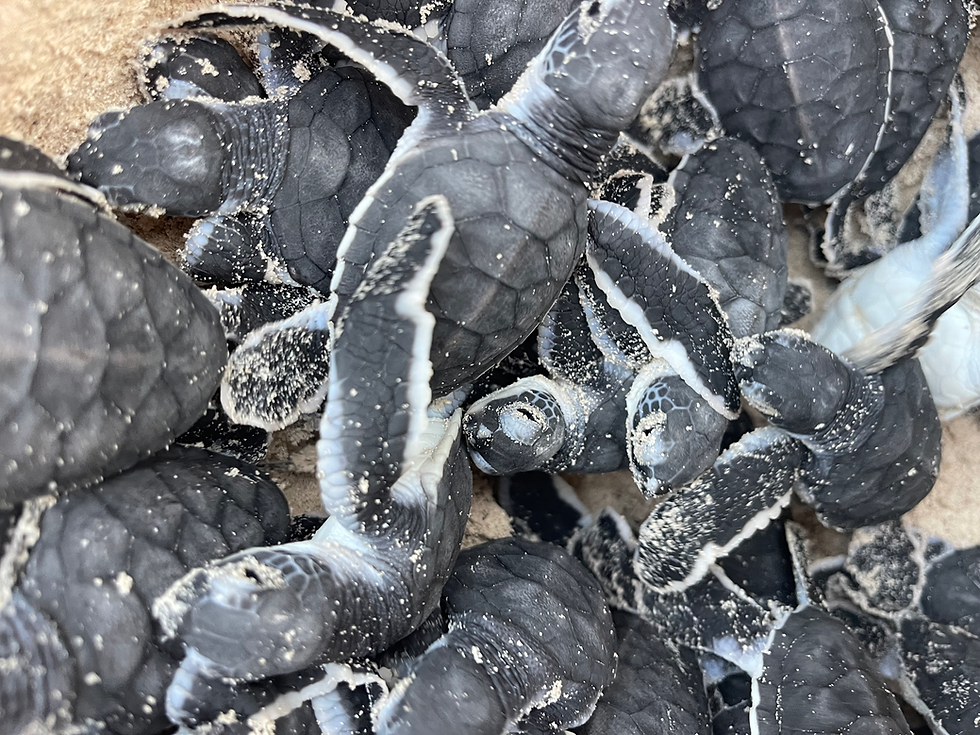
The Great Escape: After 45-70 days of incubation , the hatchlings emerge typically at night and work together to dig their way to the surface. When the sand above them cools, signaling darkness, they erupt from the nest and race toward the brightest horizon: the ocean .

Discover Ocean Sole's turtle conservation efforts: Our Impact On Marine Life
Guardians of the Shore: What It Takes to Protect a Nesting Beach
Protecting a nesting beach is a year-round commitment that requires community involvement, scientific monitoring, and constant vigilance. Here's what effective protection looks like:
1. Community Education and EngagementLocal communities must understand why turtles matter and how their actions impact nesting success. In Kenya, Ocean Sole's educational workshops teach coastal residents about the connection between plastic pollution, beach health, and turtle survival. When communities become invested in protection, they become the beach's best guardians .
2. Nest Monitoring and Protection. Dedicated teams patrol nesting beaches nightly during peak season, locating and marking nests. Protective cages or barriers may be installed to prevent predation by mongooses, dogs, and ghost crabs .
3. Light Management. Perhaps the most critical intervention is controlling artificial lighting. Beachfront properties must use turtle-friendly lighting or shield existing lights. In some areas, lighting ordinances require complete darkness during nesting season . This ensures hatchlings find their way to the sea.
4. Vehicle and Activity Restrictions. Driving on nesting beaches compacts sand, crushes eggs, and creates ruts that trap hatchlings. Effective protection requires enforcing vehicle bans, especially at night. Beach furniture must be removed daily, and visitors educated to fill holes and knock down sandcastles before leaving .
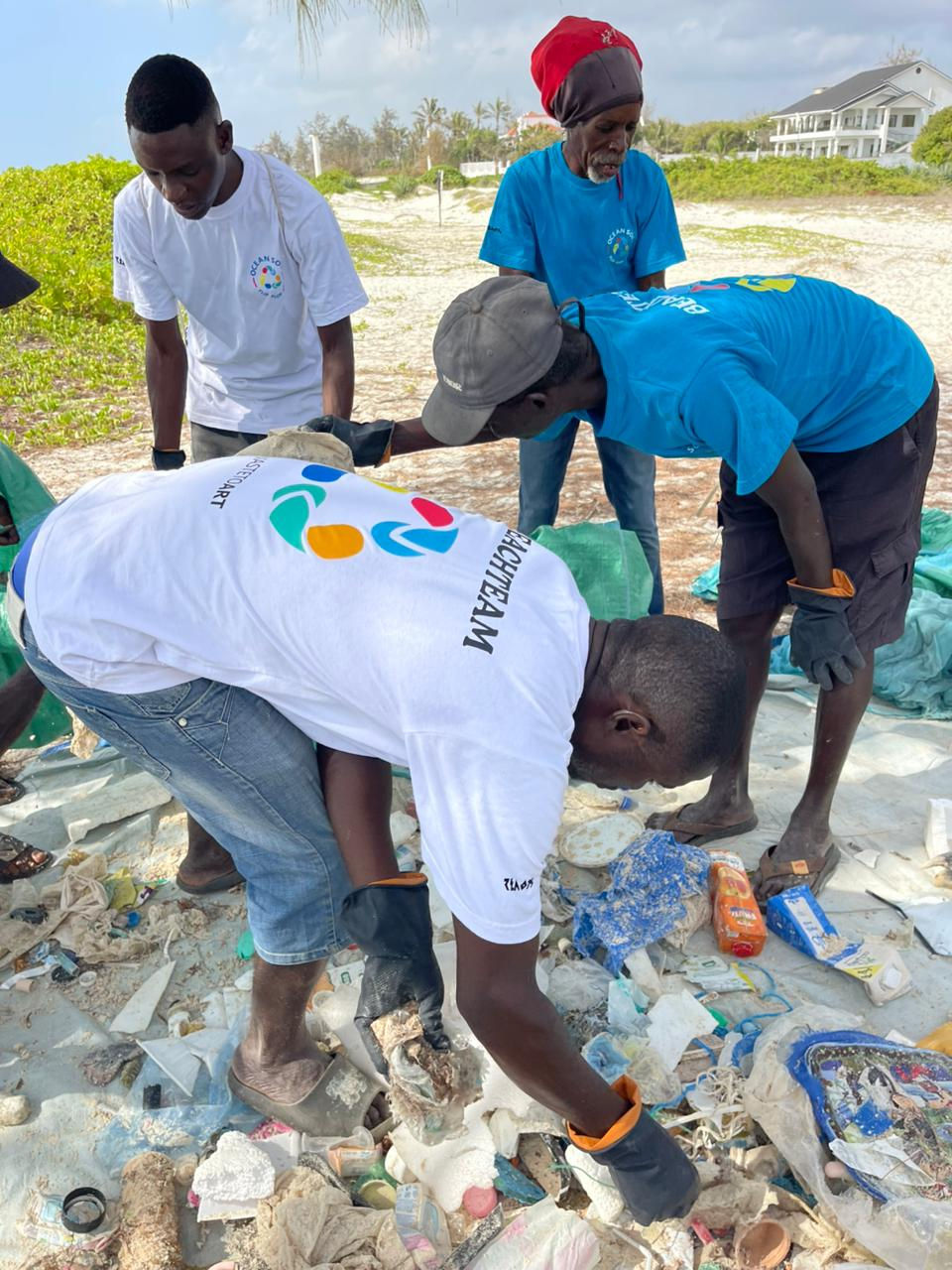
5. Ongoing Cleanup. Plastic pollution and debris must be regularly removed. This is where Ocean Sole's beach cleanup Kenya initiatives play a vital role. Our teams remove flip-flops and other plastic waste from critical nesting beaches in Watamu, Diani, and Nyali, clearing the path for both nesting females and emerging hatchlings.
6. Long-Term Research.Tagging and monitoring turtles over decades provides essential data about population trends, migration patterns, and nesting success. This science guides conservation policy and helps measure whether protection efforts are working .
Image: A protected turtle nest with signage and barrier on a Kenyan beachAlt text: Marked and protected sea turtle nest on a Kenyan beach with conservation signage, supported by Ocean Sole's marine conservation efforts
Four Fascinating Facts About Baby Sea Turtles
1. They Are Born Completely Independent. Mother turtles never meet their offspring. From the moment hatchlings emerge, they are entirely on their own no guidance, no protection, no parenting. This independence from birth is extraordinary in the animal kingdom .
2. Their First Swim is a "Swimming Frenzy"After reaching the water, hatchlings enter a frantic, non-stop swimming period lasting 24-48 hours. This "swimming frenzy" propels them away from predator-rich nearshore waters toward safer open ocean currents where they find shelter in floating seaweed beds .
3. They Imprint on Their Birth Beach. During that frantic scramble to the sea, hatchlings are imprinting memorizing the unique magnetic signature of their natal beach. Decades later, this internal GPS will guide females back to lay their own eggs on the exact same shore .
4. Temperature Determines Their Sex. A turtle's sex isn't determined by chromosomes but by the temperature of the sand during incubation. Warmer sands produce females, cooler sands produce males
Help us protect Kenya's nesting beaches and the tiny turtles that depend on them.


Comments