WORLD CLEANUP DAY 2026: FROM BLOCKED DRAINS, NAIROBI, TO COASTAL SHORES, KILIFI

What does it take to create a cleaner environment?
Sometimes, it starts with a shovel breaking through a blocked drainage channel. Sometimes, it looks like hundreds of hands reaching for waste along a beach. And sometimes, it begins with people deciding that the places they call home deserve better.
World Cleanup Day is a global movement that brings people together to take action against waste and pollution. It is an opportunity for communities, organisations, schools and volunteers to turn environmental awareness into practical action, while encouraging more responsible waste management beyond a single day.
On 19 September 2026, Ocean Sole joined communities and environmental partners in Nairobi and Kilifi for two cleanup efforts that brought this spirit of collective action to life.
From clearing accumulated silt and waste in Kerarapon to removing waste along Vidazini Beach, the day highlighted the power of collaboration and the shared responsibility we have to care for our environment.
Nairobi: Keeping Kerarapon Clean and Green
Coming Together for the Community
In Kerarapon, Nairobi, Ocean Sole joined Embakasi Forest Conservation CBO, residents, schools, volunteers, government institutions and environmental partners for the community-led Keep Kerarapon Clean Initiative.
The cleanup brought people together to tackle blocked drainage channels, accumulated waste and encroaching vegetation, environmental challenges that affect the condition of local surroundings and water flow.

Clearing the Way for Change
What began as a community cleanup became a significant effort to restore drainage and improve the surrounding environment. Volunteers worked through blocked drainage channels, removing accumulated silt and soil while clearing waste and encroaching bush.
By the end of the exercise, 32 tonnes of silt and soil had been removed from blocked drainage channels, alongside 12 tonnes of solid waste collected within a 3 km radius. A total of 800 linear metres of drainage were unclogged.

The work helped improve drainage flow and clear blocked water-flow points, while removing accumulated waste and silt that can contribute to pollution affecting local water sources and downstream ecosystems.
Beyond What We Collect
A cleaner environment requires more than removing waste. It also calls for awareness, shared responsibility and changes in everyday habits.
During the initiative, residents, schools and community groups were sensitised on waste segregation and responsible disposal, creating opportunities to discuss how people can take greater ownership of their surroundings.

The work will continue beyond World Cleanup Day. Residents will be encouraged to maintain clean plot frontages, segregate waste at source, use appropriate waste-collection services and participate in regular cleanups. Nyumba Kumi heads will also work alongside environmental groups to mobilise households, discourage illegal dumping and support continued environmental monitoring.
Because clearing a drainage channel is only the beginning. Keeping it clear requires continued participation from the community around it.
Kilifi: 200 Volunteers, One Shared Commitment to the Coast
Coming Together for the Coast
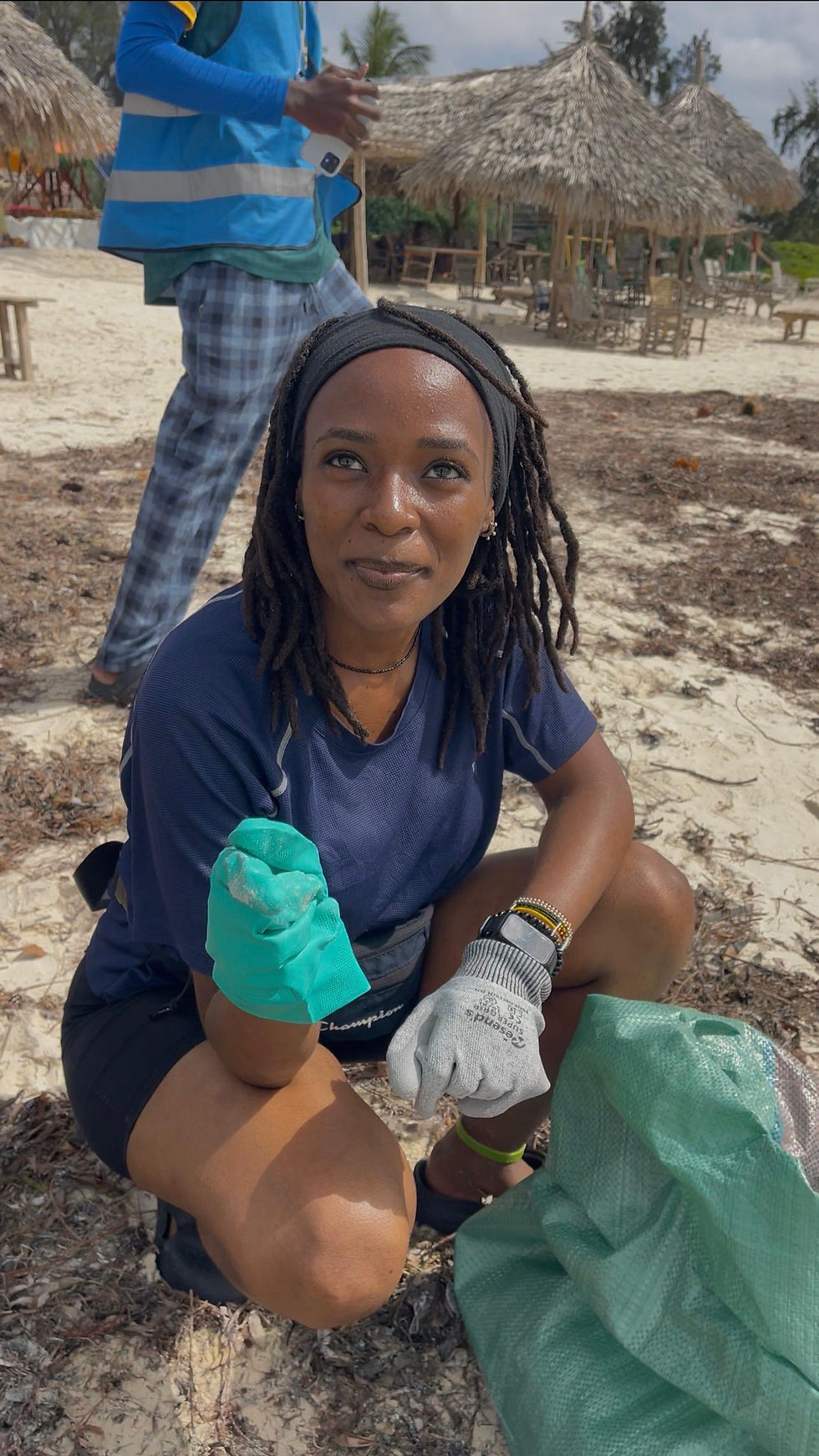
On the same day, the cleanup spirit continued along the Kenyan coast in Vidazini, Kilifi, where Ocean Sole joined 200 volunteers and community partners for a World Cleanup Day action focused on protecting the shoreline.
With gloves, sacks and plenty of determination, volunteers came together to remove waste from the beach and take practical action for a cleaner coastal environment.

By the end of the cleanup, 340 kg of waste had been collected—a measurable result of the time, energy and collective effort contributed by the volunteers.
What the Shoreline Revealed
The waste collected told a story of the challenges facing our coastal environments.
Others – 199.8 kg
Plastic bags – 52.63 kg
Ropes – 20.14 kg
Diapers – 17.45 kg
Bags – 16.8 kg
Plastic bottles – 11.55 kg
Woven bags – 8.9 kg
Shoes – 8.9 kg
Glass bottles – 2.96 kg
Biohazard waste – 3 syringes
Each piece of waste is a reminder that what leaves our hands does not simply disappear. Without responsible disposal, waste can travel from communities into waterways and eventually reach the ocean.

The cleanup also highlighted an ongoing challenge: waste segregation. Not all of the collected waste was successfully sorted into the required categories, reinforcing the need for continued awareness and practical education around separating waste at source.
A Call for Lasting Change
Cleaning up our beaches is an important step, but preventing waste from reaching the environment in the first place requires changes in our everyday habits.
Joan from Kivukoni School captured this message during the cleanup:
Joan's reflection highlights an important part of environmental conservation: cleanups help address waste already in our surroundings, while more responsible consumption, reuse and disposal habits can help prevent waste from accumulating in the first place.
For coastal communities, protecting the beach is about more than maintaining a beautiful shoreline. It is about reducing pollution, supporting healthier marine ecosystems and creating cleaner spaces for people and wildlife.
Every piece of waste removed matters. So does every conversation that encourages someone to make a more responsible choice.
Beyond the 340 Kilograms
A single cleanup cannot solve the challenge of coastal pollution on its own. But it can bring people together, raise awareness and inspire action that continues long after the event has ended.
The 340 kg collected at Vidazini represents waste removed from the beach. The participation of 200 volunteers represents something equally important: people willing to dedicate their time and energy to protecting their environment.
The work continues through the habits we build, the conversations we have and the actions we take to care for our coastline.
Two Communities. One Shared Purpose.
Kerarapon and Vidazini may face different environmental challenges, but the actions taken on World Cleanup Day shared the same foundation: people coming together to care for the places they call home.
In Nairobi, communities worked to restore drainage and address waste within their neighbourhood. In Kilifi, volunteers came together to remove waste from the coastline and raise awareness of the importance of responsible waste management.
Different places. Different challenges. One shared responsibility.

For Ocean Sole, these World Cleanup Day activities were an opportunity to stand alongside communities and organisations working towards cleaner, healthier environments.
Environmental change does not happen in isolation. It grows through collaboration, community participation and the willingness to turn concern into action.
Whether clearing a drainage channel in Nairobi or removing waste from a beach in Kilifi, the message from World Cleanup Day was clear: protecting our environment begins with showing up for it.

A heartfelt thank you to Embakasi Forest Conservation CBO, KPS, CMA CGM, Ngong Hills–Mbagathi WRUA, Kerarapon Football Club, Kivukoni School, Green Heart Kilifi, The Leaf Charity, Kilifi Municipality, Pwani University Environmental Club, Friends of Nature, the residents of Kerarapon and Vidazini, and every volunteer and partner who contributed their time, resources and energy to making these World Cleanup Day activities possible. Your commitment to environmental action helps turn shared concern into meaningful work for communities and the places they call home.


Comments