Ocean Sole Impact - 1st Quarter 2026

Conservation.
Beach cleanups.
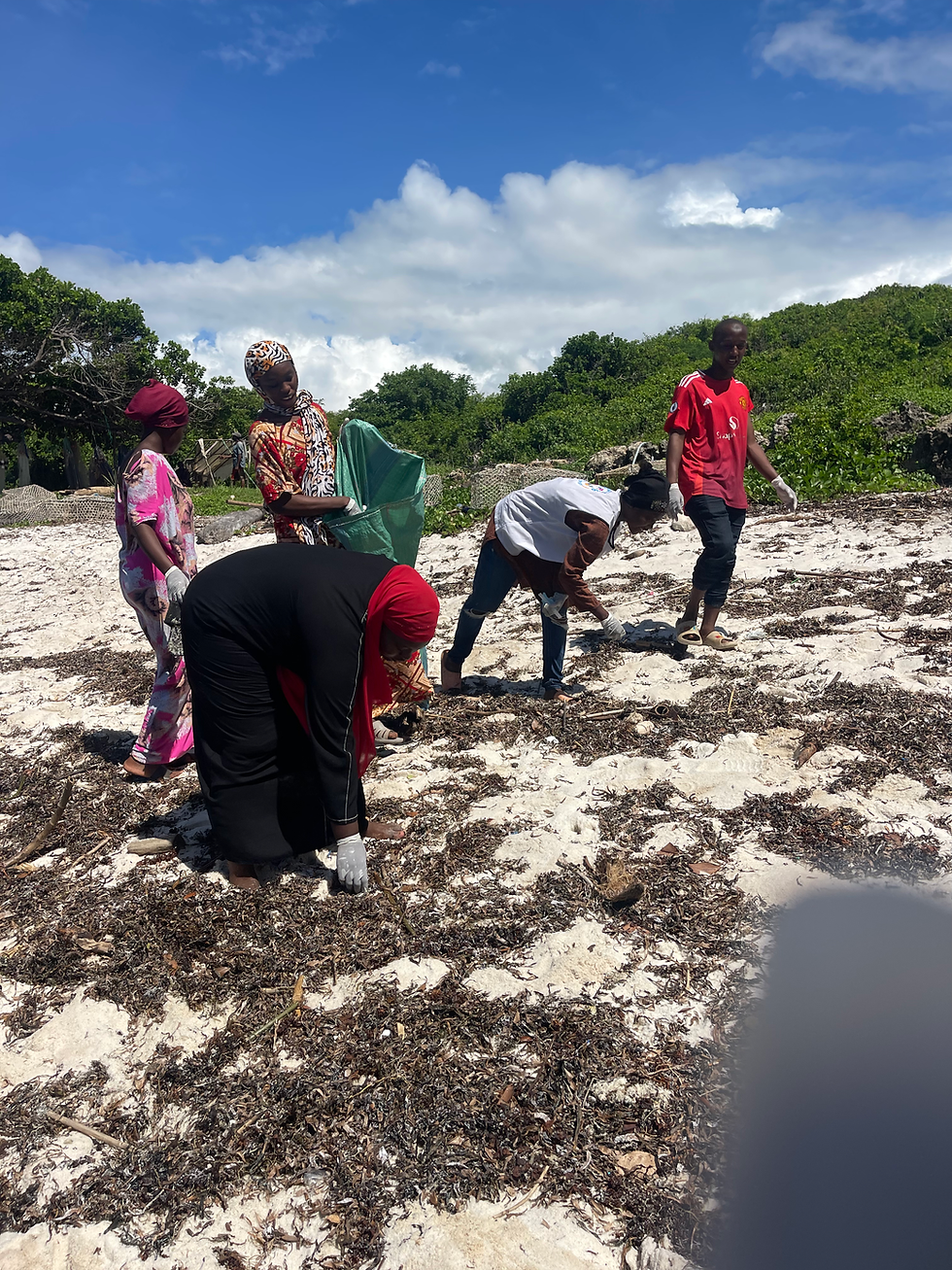
During the reporting period, a total of 12 beach cleanup exercises were conducted across different locations. These activities were implemented collaboratively with community groups including Kwa Chambo Fishermen, Ocean Sole Mamaz, Nyota ya Asubuhi Orphanage, and Kwale Youth. In addition, the cleanups were supported through partnerships with organizations such as Aleimar Conservation, Sea for Life, and SEE Turtles.
These collaborations strengthened the effectiveness of the cleanups by enhancing resource mobilization, community outreach, and technical support. The joint efforts also provided a platform for knowledge sharing and reinforced collective responsibility toward marine conservation.
Waste Collected
The total waste collected across all cleanups amounted to:
1,154.07 kilograms
Most Common Waste Types:
Shoes: 189.18 kg
Fishing ropes and nets: 89.98 kg
These findings highlight the significant contribution of marine-related waste, particularly discarded fishing gear, to coastal pollution.
2. Turtle safe project:
Nest Monitoring and Protection.
Under the Turtle Safe Project, a total of five turtle nests were recorded during the quarter, all identified as belonging to the hawksbill sea turtle species. This reflects the ecological importance of the project area as a nesting ground for this critically important marine species. Continuous monitoring and protection of these nests remain a priority to ensure successful reproduction and species conservation.
Hatching Success and Projections.
Out of the recorded nests, one nest successfully hatched, achieving a hatching success rate of 78.57%. This is a positive indicator of effective nest management and protection measures. Additionally, two nests are expected to hatch in April, and more nests are anticipated as the nesting season reaches its peak. This presents an opportunity to further strengthen conservation outcomes in the coming months.
To enhance conservation effectiveness, a refresher training session was conducted for turtle rangers. The training aimed to improve their skills in nest identification, monitoring, data recording, and response to threats. Strengthening ranger capacity ensures improved protection of nesting sites and contributes to long-term sustainability of the project.

Community
3. Kwa Chambo Self-help Group
Environmental Conservation Efforts
Kwa Chambo Fishermen actively participated in five beach cleanup activities, during which they collected a total of 609.69 kilograms of waste. Their involvement demonstrates strong community commitment to protecting marine ecosystems and maintaining clean coastal environments.
Ecotourism Initiatives.
The group conducted three snorkelling reconnaissance activities, showcasing the Nguruni coral reefs to tourists. These initial efforts mark an important step toward establishing a community-led ecotourism model, which has the potential to diversify income sources while promoting marine conservation awareness.
Training and Skills Development
Members of the group, particularly turtle rangers, received targeted training to enhance their conservation roles. This capacity-building effort supports both environmental stewardship and the development of new livelihood opportunities linked to conservation and tourism.

Ocean Sole Mamaz
Environmental Participation
Ocean Sole Mamaz participated in five beach cleanup activities, contributing significantly to waste removal efforts. Their involvement highlights the critical role of women in environmental conservation and community-driven initiatives.
Upcycling and Waste Management
The group engaged in innovative upcycling activities, transforming discarded flip-flops into bead strings for sale. This initiative not only reduces environmental waste but also promotes a circular economy by converting waste materials into valuable products.
Livelihood and Income Generation
Through their composting initiative, the Mamaz sold 80 kilograms of compost, generating KSh 3,200. In addition, they harvested and sold 8 pawpaws for KSh 1,000 from their garden. These activities contribute to household income, food security, and economic empowerment, demonstrating the link between environmental sustainability and livelihoods.

Nyota Ya Asubuhi Orphanage.
Nyota ya Asubuhi Orphanage participated in one beach cleanup, during which 116.1 kilograms of waste were collected. This engagement provided an opportunity to involve children and caregivers in environmental conservation activities, fostering awareness from a young age.
In addition to environmental efforts, the program supported 50 young ladies with menstrual hygiene products, addressing an important aspect of health and dignity. Furthermore, children at the orphanage received monthly meals (pilau), contributing to their nutrition and well-being. These interventions highlight the program’s commitment to holistic community support.

Small hands, big impact — the amazing kids from Nyota ya Asubuhi stepping up to protect our beaches and marine life. The first quarter of 2026 demonstrated meaningful progress in advancing environmental conservation, community engagement, and sustainable livelihoods. The integration of cleanup activities, turtle conservation, and socio-economic support has created a well-rounded impact. Moving forward, strengthening partnerships, scaling successful initiatives, and addressing existing challenges will be key to achieving even greater outcomes.


Comments