How Women in Kilifi Are Rebuilding Coastal Ecosystems Through a Circular Blue Economy
- Charity Pimer
- Mar 25
- 3 min read

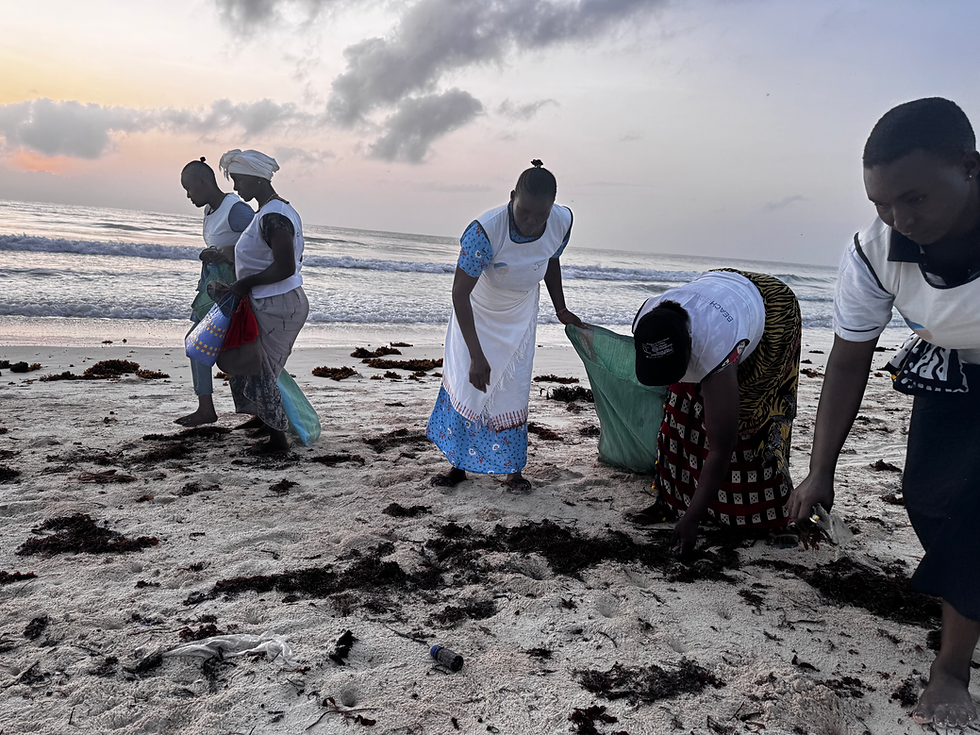
Table of Contents
A Crisis Along the Coast
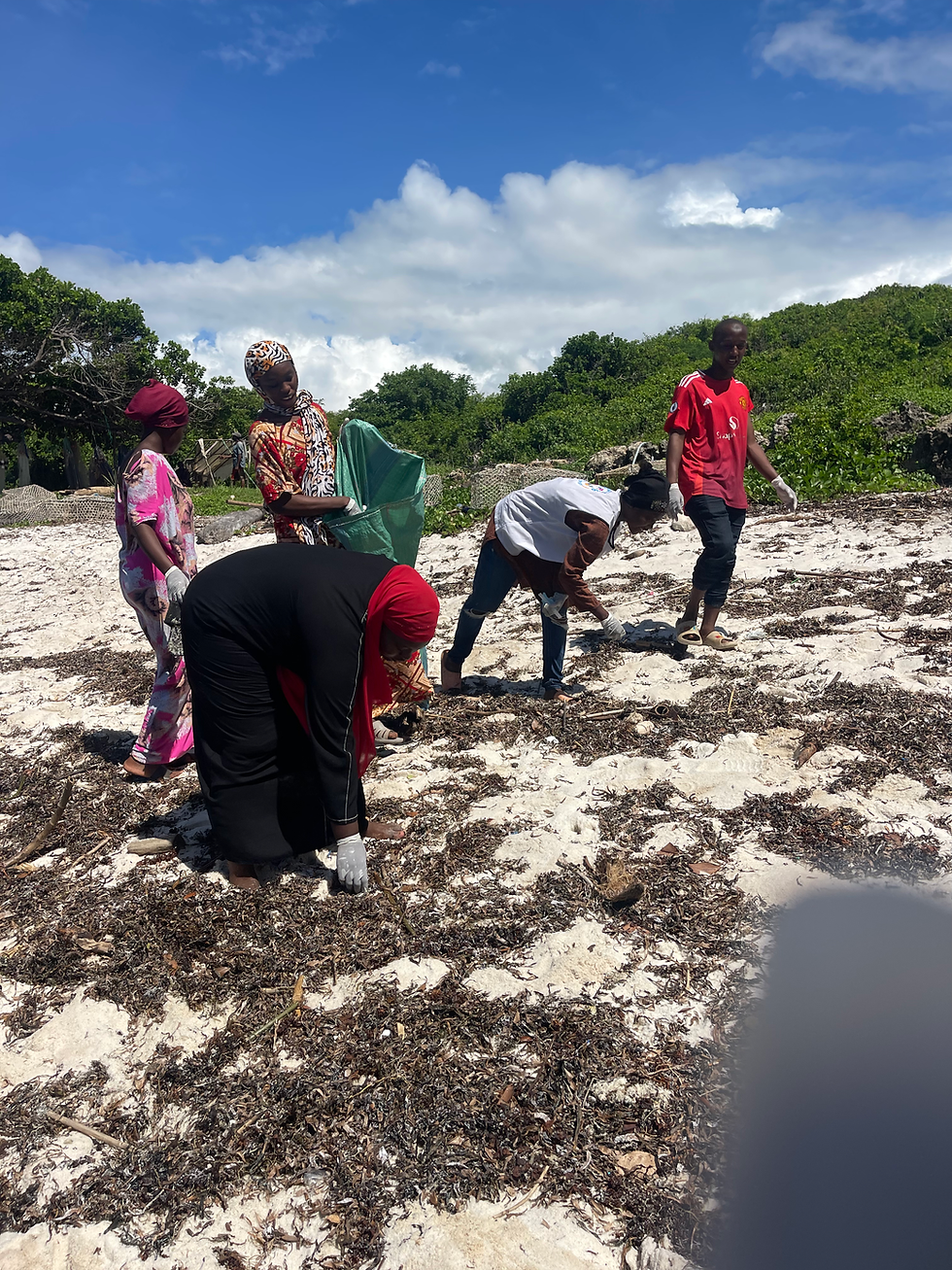
Along the shores of Kilifi County, a quiet revolution is taking root.The Ocean Mamaz a women‑owned and women‑run collective, are proving that community-led action can turn an environmental crisis into opportunity . Their work is urgent. Kenya's coastal communities face mounting pressures: rising ocean temperatures, eroding shorelines, and dwindling fish stocks that threaten both food security and cultural traditions . In Kilifi, where women have long earned livelihoods through coastal small businesses, these environmental changes are felt deeply from the loss of traditional seafood recipes to the displacement of beachfront traders.
Circular Blue Economy in Action
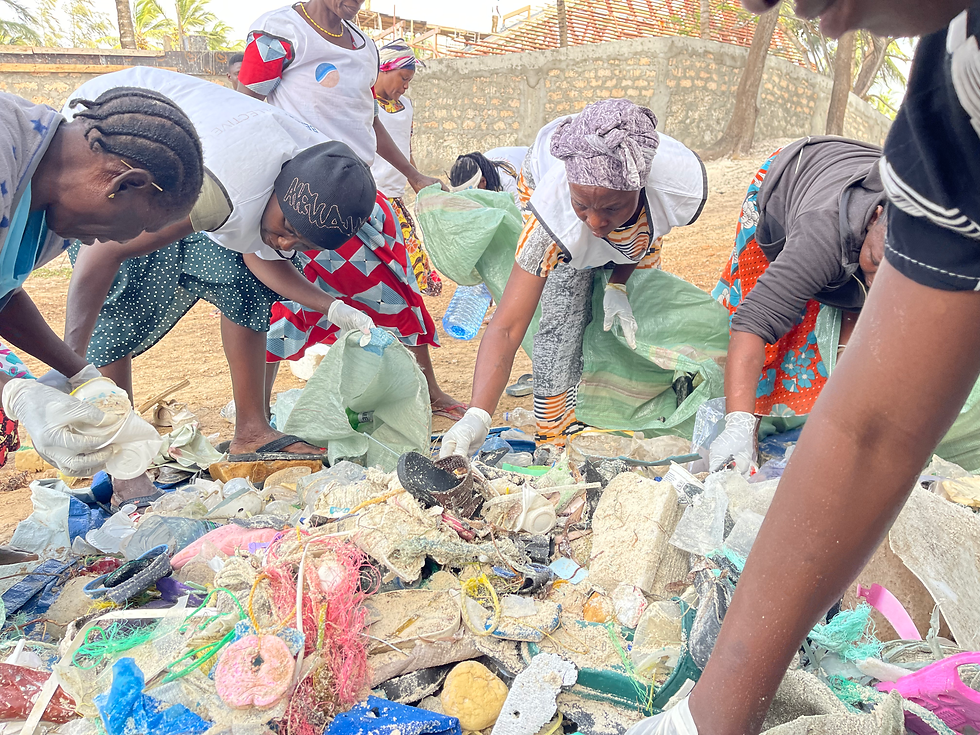
The Ocean Mamaz are responding with a circular blue economy model that addresses threats from land to sea. Their approach is holistic: removing marine waste, restoring mangroves, and regenerating soil through composting and sustainable farming. To date, their collective impact includes:
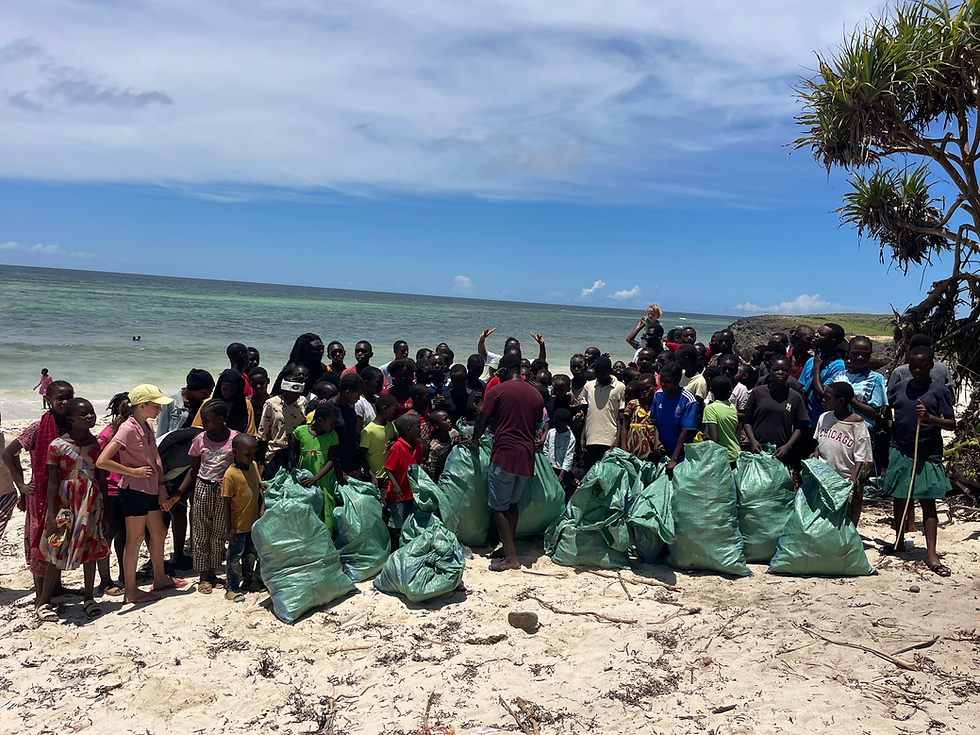
20,996 tonnes of waste removed from Kilifi's beaches and waterways
145 kilometers of coastline under active monitoring and protection
24,573 mangroves planted, restoring critical nursery habitats for fish and crabs
2.6 tonnes of compost produced, transforming organic waste into soil-nourishing resources
85,300 KES in compost revenue this year, creating economic returns from waste management
1,106 upcycled beads crafted into jewelry
16 women actively engaged, supporting 12 households with stable earnings
The Women Leading The Way
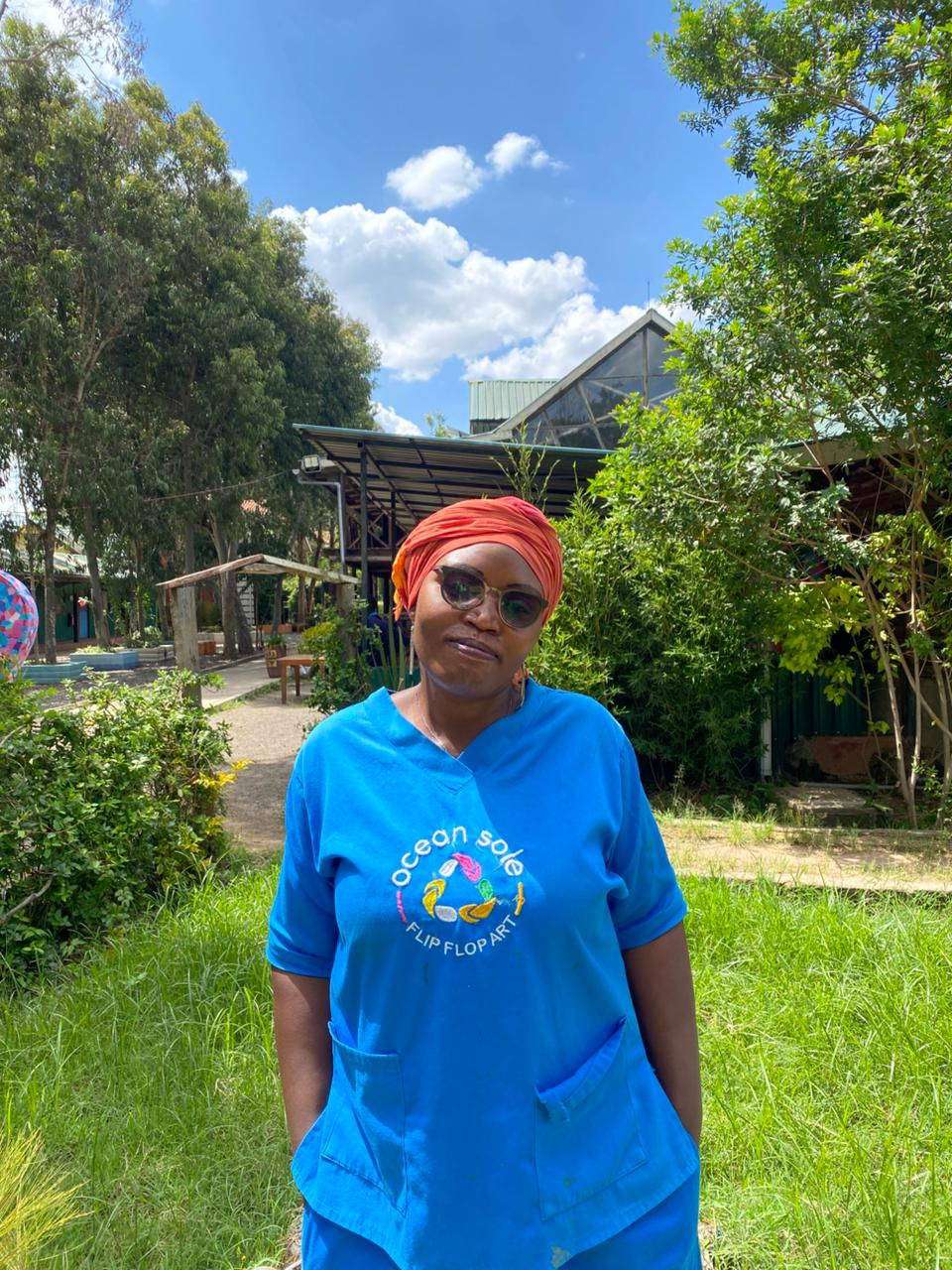
Leadership within the Ocean Mamaz is rooted in shared responsibility. Sally Odoluwa Mugugu guides the group as manager, keeping meetings organized,Delilah Nyadzuwa Wanje serves as secretary Christine Riziki Safari acts as treasurer, maintaining the group’s bank account. Together, they form a leadership structure that keeps the group focused, fair, and moving forward .
Partnerships That Strengthen an Impact
Their work has not gone unnoticed. The Ocean Mamaz have attracted support from major conservation organizations including World Wildlife Fund-Kenya, Plan International, Kenya Wildlife Service, and Hand in Hand Eastern Africa, which have offered additional training and resources .
What Makes the Ocean Mamaz Distinctive
What makes the Ocean Mamaz model distinctive is its integration. They do not simply clean beaches; they transform waste into income. They do not simply plant mangroves; they restore ecosystems that sustain fisheries and protect shorelines. They do not simply farm; they regenerate soil and reduce pollution flowing to the ocean. This is the circular blue economy in practice: a system where environmental restoration and economic empowerment reinforce each other.
Why This Work Matters Now
The need for such models has never been greater. Climate change is accelerating along Kenya's coast, with rising temperatures, rising ocean levels, drought, and floods affecting communities that depend on healthy ecosystems . Women are particularly affected, occupying the bulk of jobs in tour guiding and hospitality . When mangrove forests are lost, the prawns and crabs that sustain traditional coastal cuisines disappear with them taking with them not just livelihoods but cultural identity and community bonds .

Join the movement. Support women-led conservation.
Comments